
Net Metering changes
What this means for North Carolina homeowners, and why it matters.

What is Net Metering?
Net metering is an interconnection policy from the utility provider that determines how your solar system connects to the electric grid, and how you receive credit for excess energy your system produces and pushes back to the grid.
Think of net metering like an energy bank that allows you to save your extra solar energy for later use — cloudy days, at night, or during times when your home needs more electricity than your solar panels are producing.
When your solar panels generate more energy than your home uses, the extra electricity is sent back to the grid, and your utility company provides credits on your electric bill. Then, when your home needs more energy than your solar is producing, those credits can help offset the electricity you draw from the grid.
Net metering helps homeowners get the most value from their system by ensuring the clean energy they produce can continue to benefit them even when the sun isn’t shining bright.
What is Changing?
Your solar system is not changing. It will continue generating clean energy and helping lower your electric bills! However, the utility rate used to calculate your bill and solar credits will be changing.
Beginning January 1, 2027, North Carolina customers on Duke Energy’s Legacy 1:1 Net Metering rate (aka Net Metering 1.0) will transition to The Bridge Rate by default. They also have the option to choose the Time-of-Use (TOU) Rate if it better fits their household’s energy usage.
Current Net Metering 1.0 Homeowners Have 2 Options For Their Solar at the Start of 2027:
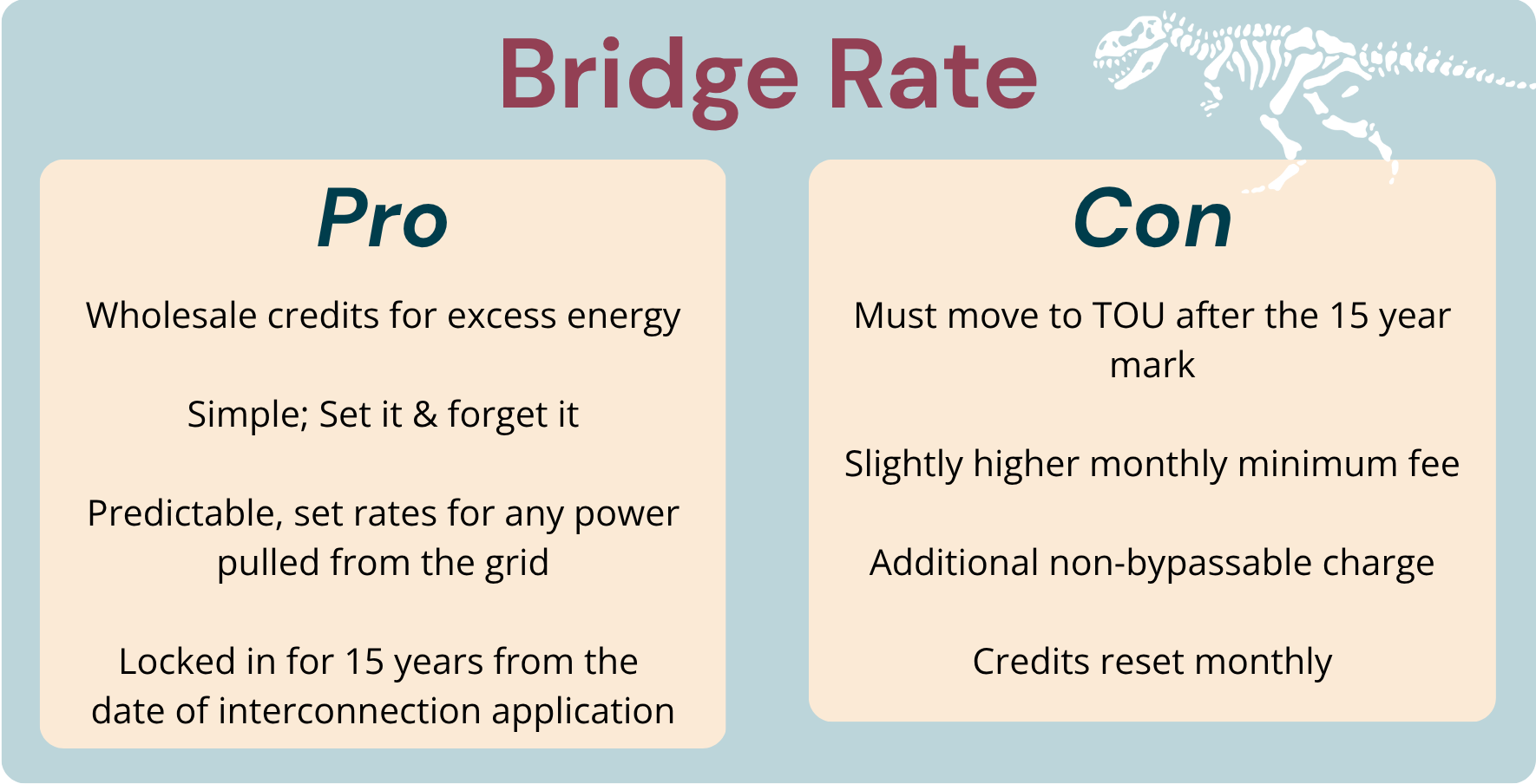
Bridge Rate: Best for customers who want simplicity and to “set it and forget it”.
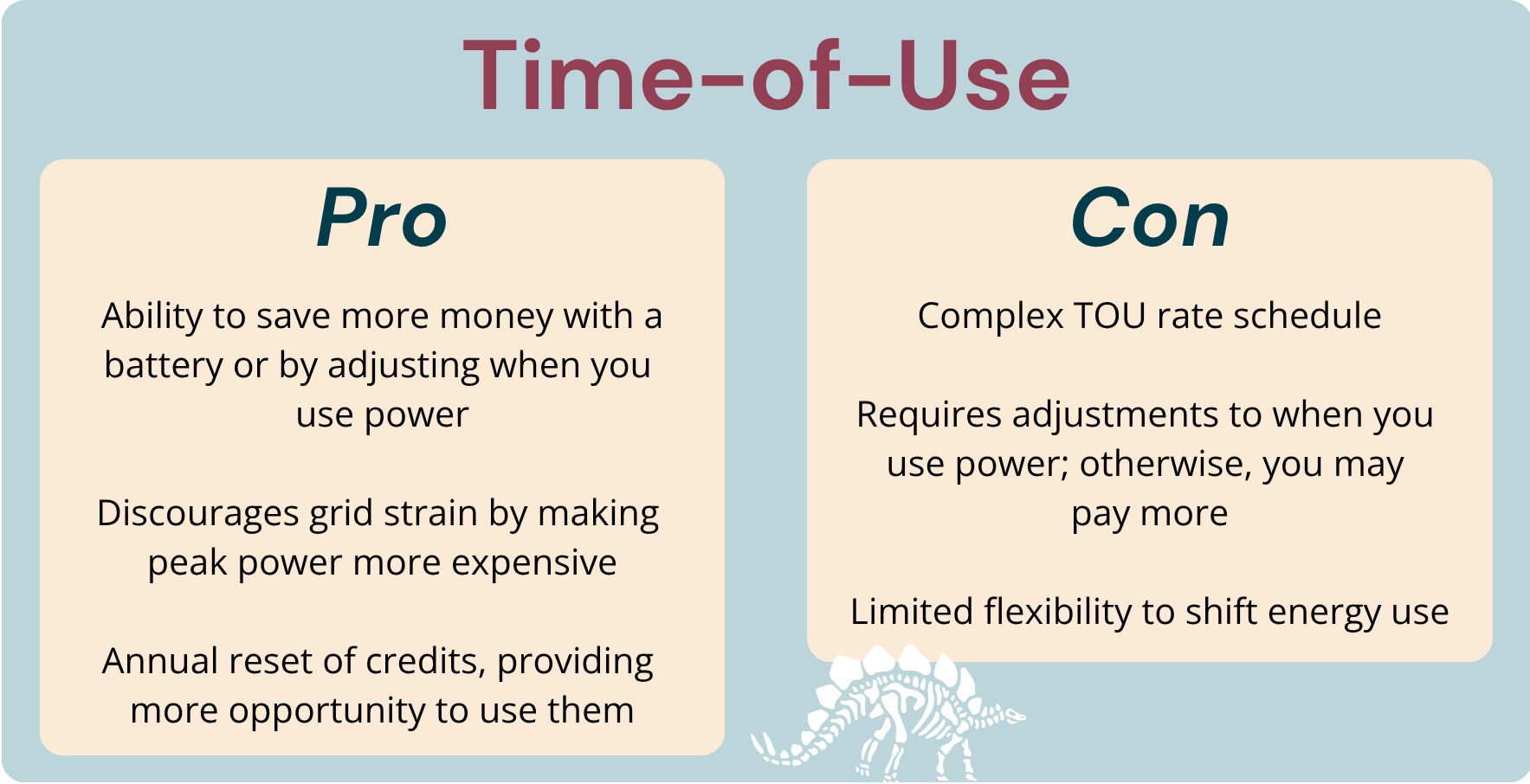
Time-of-Use: Best for customers who want more control over their energy rates and a more hands on solar experience.
Section Styles rounded-corners bullet-resources
Section Styles rounded-corners
Understanding The Bridge Rate
The Duke Energy Net Metering Bridge Rate in North Carolina is a transitional hybrid billing model. It “bridges” the gap between traditional fixed-rate net metering and variable Time-of-Use (TOU) rates.
It includes a monthly bill charge (roughly $22–$28) and a small non-bypassable charge based on system size, then credits your excess energy at a wholesale rate.
Monthly Netting: Energy generated and energy consumed are calculated on a credit-for-credit basis for the month
Excess Production: Any net excess solar power sent back to the grid at the end of the billing cycle is credited at Duke's avoided-cost rate (around 3.4 cents/kWh)
While The Bridge Rate does include a small minimum bill, your excess solar energy is still credited at a highly favorable rate.
Unlike traditional electric rates, where the cost of electricity stays the same regardless of when you use it, TOU rates are designed to reflect when energy demand is higher or lower. Instead of a flat rate where electricity has the same value throughout the day, TOU rates use different pricing periods based on factors like the time of day and season.
Typically, electricity is more expensive during peak demand hours, such as times when more homeowners are using energy, and less expensive during off-peak hours. This means homeowners may benefit from shifting energy usage to lower-cost periods or using battery backup to store solar energy and power their home when electricity costs are higher.
This is in contrast to a flat rate system where usage and solar production are valued the same every hour of the day, year-round.
Understanding Time-of-Use
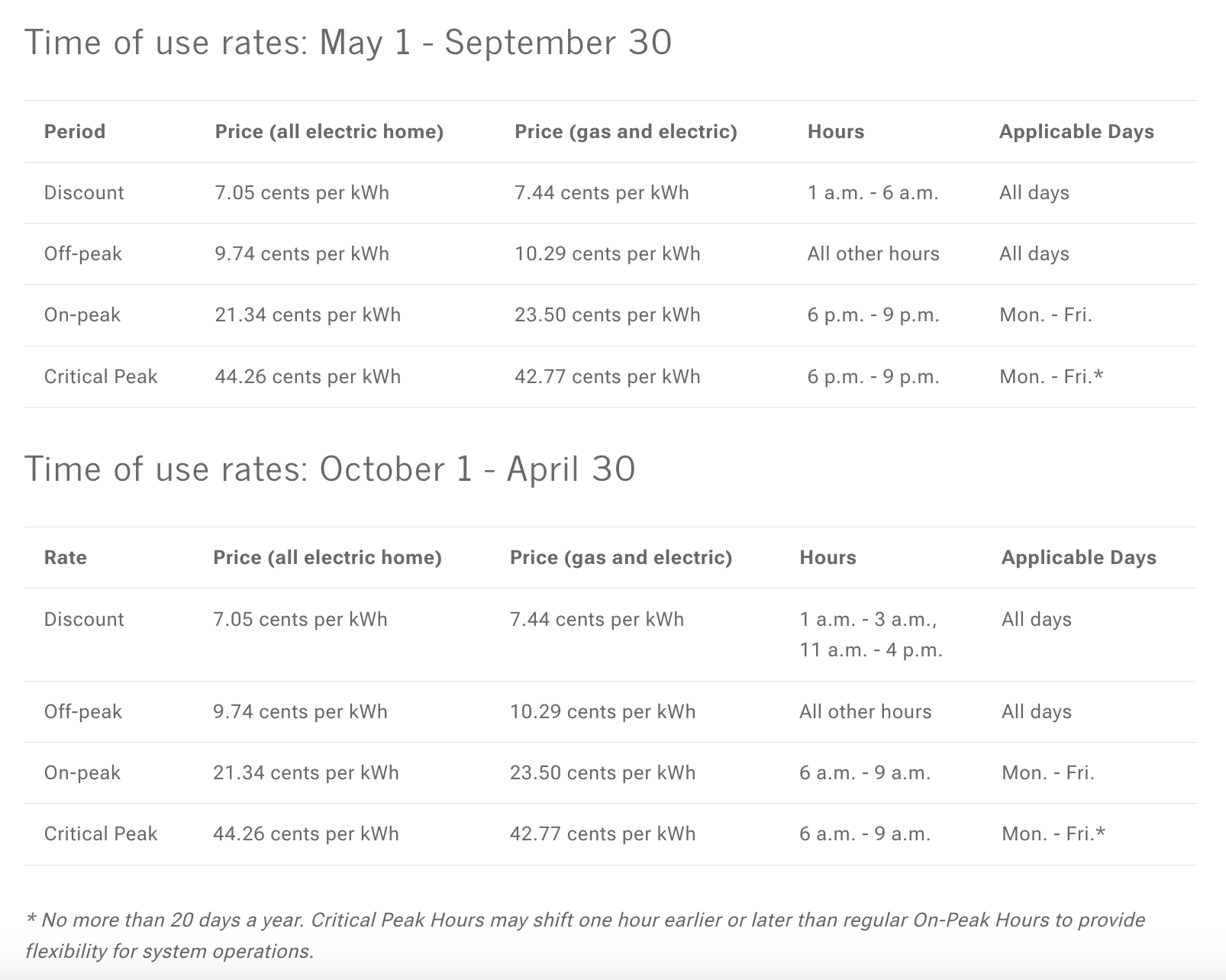
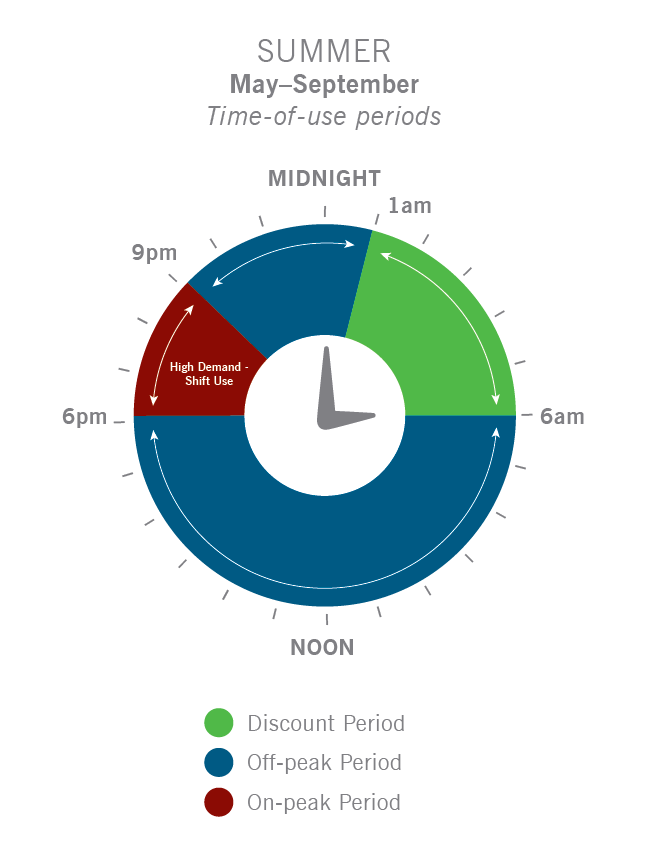
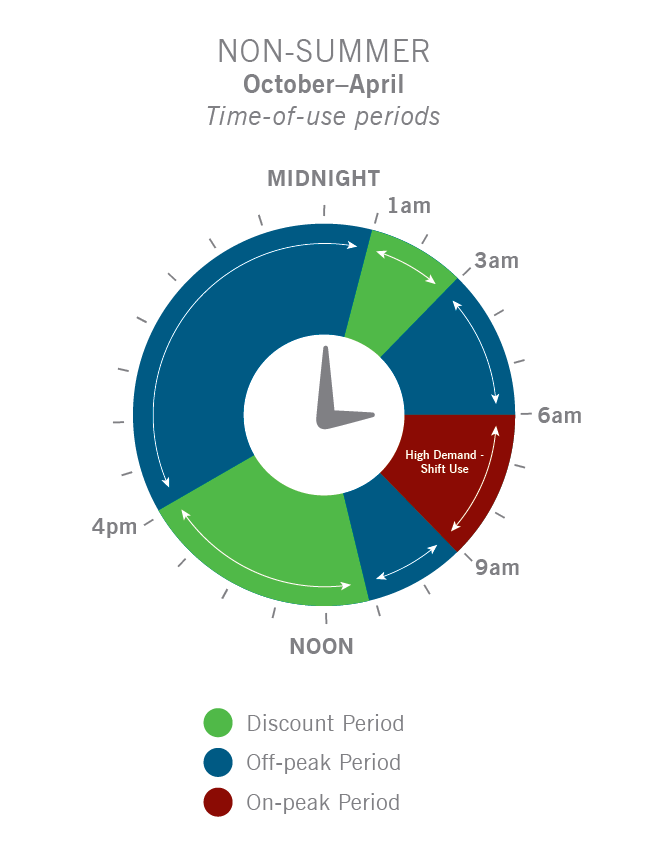
Because TOU rates are based on energy timing, understanding your home’s energy usage and solar production becomes even more important when evaluating potential savings.
If you want to explore this rate and/or choose it for January 1, 2027, Duke Energy asks you to reach out to their Renewable Service Center at 866.233.2290.
What Sugar Hollow Solar Recommends
For a majority of customers, The Bridge Rate is the simpler choice. With set rates for electricity pulled from the grid, and more favorable credits for excess energy, savings are more predictable. You know what to expect.
If you wish to go this route and you are on Legacy Net Metering, there is nothing you need to do as you will be automatically enrolled for 2027.
If you do not yet have solar and wish to go this route, we recommend you reach out as soon as possible. Your interconnection application must be submitted by the end of 2026, and it is a process (but don’t worry, we’ll handle the hard parts!)
For some homeowners, Time-of-Use may be ideal. If you pair your solar with enough battery backup, you can store and offset your power needs during peak demand allowing you to take more control of your potential for savings with the varying rate structure.
If you wish to explore and/or chose this route for January 1, 2027 and you are on Legacy Net Metering, Duke Energy asks you to reach out to their Renewable Service Center at 866.233.2290.
If you do not yet have solar and wish to explore TOU, we’re here to help ensure it’s the right choice for you.
If you unsure which route makes the most sense, we can help you determine which option works best for your home.

If you already have solar, now is a great time to consider how battery backup can help you take greater control of your energy — regardless of the Net Metering option you select!
Battery storage gives you the ability to store your own energy and use it when you need it most, including during power outages, at night, or during times when electricity rates are higher (hello, Time-of-Use?)
Our team can evaluate your home’s energy usage, explain how battery storage works with your utility rate, and help you determine how many batteries would suit your energy goals.